
6K777 | Jueteng: An In-Depth Look at the Enduring Numbers Game
6K777’s An exploration of jueteng, the clandestine numbers game in the Philippines, examining its historical roots, mechanics, and societal impact. Delve into the socio-economic dimensions and the challenges faced in efforts to eradicate this enduring pastime.
Understanding Jueteng: An Examination of the Enigmatic Number Game
Jueteng has long been a phenomenon in the Philippines, often operating in the shadows and thriving despite numerous efforts to eradicate it. This clandestine numbers game, deeply rooted in the cultural fabric of the country, involves a complex network of betting that both fascinates and frustrates society. With its historical underpinnings and its intricate relationship with society, exploring the dynamics of jueteng offers insights into a game that refuses to be snuffed out.
Jueteng traces its roots back to the Spanish colonial era, with the game believed to be derived from ancient Chinese numbers games brought to the Philippine archipelago. Over the decades, it has evolved to become a highly organized betting network that involves millions of pesos in transactions daily. Despite being illegal, jueteng continues to be notoriously difficult to combat, leaving authorities in a constant struggle to eradicate its pervasive influence.
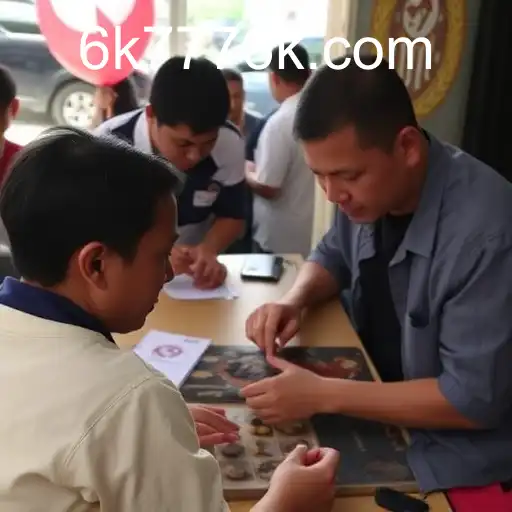
What sets jueteng apart is perhaps its accessibility. Unlike national lotteries that require ticket purchases from official outlets, jueteng is played using simple materials such as stones, beads, or small pieces of paper, making it easy for bettors to participate. The game involves bettors choosing a specific set of numbers, which are then compared against the winning numbers drawn by the game operators. One of the key attractions of jueteng is the allure of making a significant payout from a minimal bet, a prospect that captivates a broad spectrum of society.
The Mechanics Behind Jueteng
Understanding the mechanics behind jueteng is essential to grasp its appeal and survival. The typical game involves small bets, usually between one and ten pesos, which are placed on a two-number combination ranging from 1–37. Bets are collected by kubradors, or bet collectors, who form the backbone of the operation by gathering stakes from regular players within their communities. The simplicity of the betting process allows jueteng to penetrate remote and marginalized regions where poverty remains rampant, effectively embedding itself into the lives of those hoping to augment their meager incomes.
Once bets are collected, they are consolidated by the cabo or area manager, who forwards them to the operator. Number combinations are drawn using various methodologies, ranging from basic ball-drawing methods to more sophisticated approaches involving digital random number generators. The winning numbers are then disseminated quickly among bettors and kubradors, ensuring swift payment of winnings, which helps reinforce trust and continued participation in the game.
The Societal Implications of Jueteng
While jueteng offers a glimpse of hope to its players, it plays a more complex role within the Philippine society. For one, jueteng is linked to various social, political, and economic dynamics that extend beyond mere gambling. Several government officials and law enforcement officers have been implicated in keeping the game operational, often in exchange for substantial financial kickbacks, illustrating its intricate ties to corruption.
Moreover, the game has become a source of revenue for local economies, providing informal employment opportunities for kubradors, cabos, and even operators. As a result, any efforts to dismantle jueteng can have significant economic repercussions for those whose livelihoods depend on its continuation, further complicating enforcement efforts.
The political dimensions of jueteng are equally significant. Some local officials have been known to harness the game as a means to galvanize political support, extending protection in exchange for allegiance. During election periods, the game's operators and financiers may exert influence over voting blocks, affecting electoral outcomes and perpetuating a cycle where jueteng thrives under the protection of political patrons.
Challenges in Eradicating Jueteng
Despite numerous attempts to legalize or abolish jueteng, the game continues to flourish, with each crackdown giving birth to subtler and more convoluted networks. The elusive nature of the game is partly due to a lack of political will, endemic corruption, and the ability of jueteng operators to mobilize grassroots support by exploiting socio-economic weaknesses.
Additionally, technological advancements have further complicated enforcement efforts by enabling game operators to stay one step ahead of law enforcement. Instant messaging apps and digital platforms have replaced traditional communication among actors, making the staking and winnings processes even more impervious to scrutiny.
Jueteng and the Filipino Psyche
Jueteng has pervaded the Filipino psyche to such an extent that it has inspired various forms of media, including television shows, films, and literature. Characters from different walks of life are depicted grappling with the temptations and ramifications of the game, providing a narrative reflection of its impact on both individual and community levels. The resilience of those who play, sell, and protect jueteng becomes a microcosm of the larger issues facing the country—a reflection of aspirations and the allure of winning against all odds.
In conclusion, jueteng remains deeply woven into the social and economic tapestry of the Philippines, resistant to formal eradication efforts and evolving with each technological, social, and political change. Understanding its intricacies offers not only a glimpse into a pervasive form of entertainment but also a portrait of resilience against the backdrop of regulatory, moral, and societal challenges. The game's survival depends largely on addressing the socio-economic conditions that allow it to thrive, a daunting task for any society seeking to embrace formal structures over informal networks.
